Source Jerusalem Artichoke Inulin for Health Food and Supplements
Compare 30 verified listings for Jerusalem artichoke inulin from Chinese manufacturers. Buyers can evaluate specifications like purity, particle size, and certifications including ISO and FDA for health food and supplement applications; compare the available evidence and request quotations based on your requirements.
Key considerations
Products List






Comprehensive Sourcing Guide
Jerusalem Artichoke Inulin Sourcing Guide
Procuring high-quality Jerusalem artichoke inulin requires a clear understanding of the botanical source and the specific extraction methods used by manufacturers. The primary botanical source for this ingredient is Helianthus Tuberous Linn., commonly known as the Jerusalem artichoke or sunchoke. Buyers must verify that the plant part used is the tuber, ensuring 100% natural origin without synthetic additives. The cultivation method is typically artificial planting, which allows for controlled quality and consistent yield. Understanding these foundational attributes helps in selecting suppliers who prioritize raw material integrity, which is critical for the final purity and efficacy of the inulin powder.
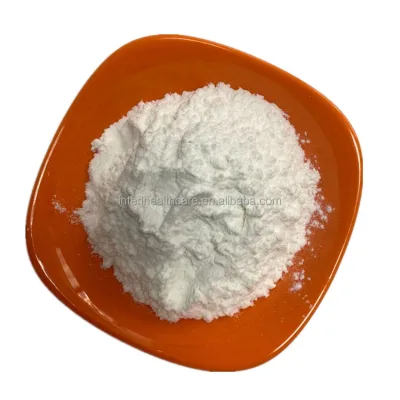
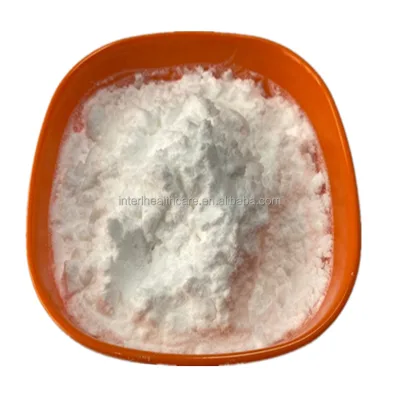
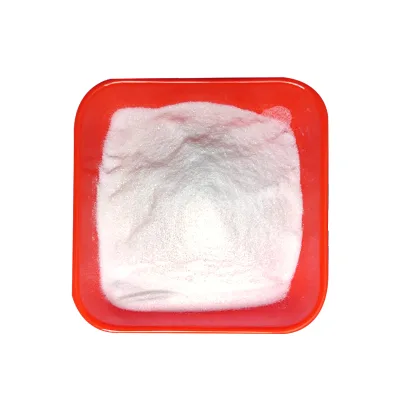
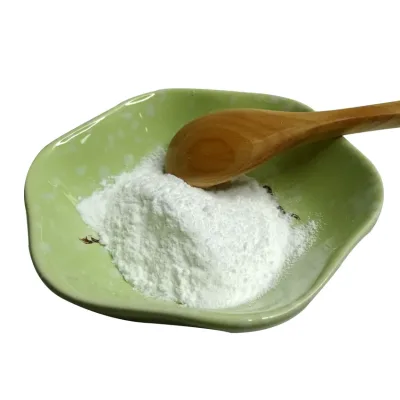
The appearance and physical form of the inulin are key indicators of processing quality. Observed listings describe the product as a fine white to yellowish powder, with some variations noting a light yellow liquid form depending on the extraction stage. The odor and taste are characteristic and slightly sweet, which is desirable for food applications. Buyers should request samples to verify the bulk density, which typically ranges from 45-55g/100ml, and ensure the particle size is consistent, often specified as 99% through an 80 mesh sieve. These physical properties directly impact the solubility and mixing behavior of the inulin in final health food and supplement formulations.
Product Scope and Observed Listing Signals
The product scope for Jerusalem artichoke inulin spans multiple industries, primarily focusing on health food, health care products, and general food applications. The active ingredient is identified as vitamin-related or chicory inulin, though the botanical source remains the Jerusalem artichoke tuber. Listings indicate that the product is available in various forms, including powder, and is suitable for all seasons. The application forms extend to capsules, tablets, pastes, and suppositories, highlighting its versatility in pharmaceutical and nutraceutical manufacturing. Buyers should align their procurement needs with these specific application forms to ensure compatibility with their production lines.
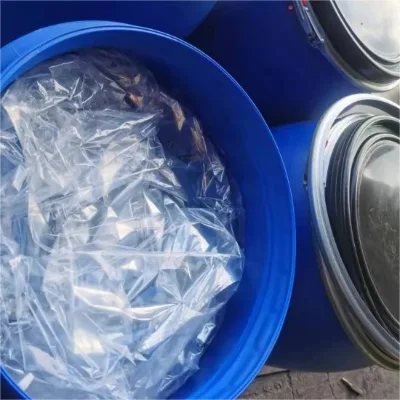
Observed listing signals reveal a wide range of commercial parameters that buyers must navigate. The observed price range in USD is 3-102.27, reflecting variations in purity, packaging, and order volume. The minimum order quantity (MOQ) ranges from 1 to 1000 units, with some suppliers specifying an MOQ of 25kg. Packaging options include bottles, plastic containers, and vacuum-packed drums, with a common bulk packing of 25kgs/drum. These signals suggest that buyers can find flexible terms for both small-scale testing and large-scale industrial procurement. It is essential to clarify the selling units and packaging details to avoid logistical surprises upon delivery.
Technical Specifications to Verify
Technical verification of Jerusalem artichoke inulin begins with the assay method and purity specifications. Buyers should confirm that the supplier uses HPLC (High-Performance Liquid Chromatography) or UV methods for assay, ensuring accurate quantification of the inulin content. The specification often ranges from 70-90% or 60-90% HPLC inulin, with some listings referencing the CAS number 9005-80-5. It is crucial to verify the exact assay method used by the supplier, as this impacts the reliability of the purity claim. Buyers must request a Certificate of Analysis (CoA) that details the assay results to ensure the product meets their specific formulation requirements.
Additional technical parameters include loss on drying, ash content, pH value, and heavy metals limits. The loss on drying should be no more than 4.5%, ensuring low moisture content for stability. Ash content is typically no more than 0.2%, indicating high purity. The pH value for a 10°brix solution should be between 5.0-7.0, which is suitable for most food applications. Heavy metals must be no more than 5ppm, ensuring safety for human consumption. Buyers should verify these specific numerical limits against their internal quality standards to prevent non-conformance issues in their final products.
Compliance and Safety Documentation
Compliance and safety documentation are non-negotiable for sourcing Jerusalem artichoke inulin, especially for health food and pharmaceutical applications. Buyers must verify that the supplier holds relevant certifications such as ISO22000, HACCP, FSSC 22000, and FDA registration. These certifications indicate that the manufacturing facility adheres to strict food safety and quality management standards. Additionally, certifications like Kosher, Halal, EU, and USDA Organic may be required depending on the target market and consumer preferences. Buyers should request copies of these certificates and verify their validity with the issuing bodies to ensure authenticity.
Beyond certifications, buyers should assess the supplier’s adherence to specific standards and regulations. The product standard is often listed as "Inulin," but buyers must ensure this aligns with local regulatory definitions. The shelf life of the product is typically 2-3 years, which impacts inventory management and storage requirements. Storage conditions should be a cool, dry place to maintain product integrity. Buyers should also confirm that the supplier provides batch-specific test results and traceability documentation, which are essential for quality control and recall management in the supply chain.
Cost Drivers and Commercial Terms
Cost drivers for Jerusalem artichoke inulin include the purity level, extraction type, and packaging format. Higher purity levels, such as 90% HPLC inulin, typically command higher prices compared to standard grades. The extraction type, whether standard or customized, also influences the cost. Buyers should consider the total cost of ownership, including shipping, handling, and potential customs duties, rather than just the unit price. The observed price range of 3-102.27 USD reflects these variations, and buyers should negotiate based on volume and long-term partnership potential.
Commercial terms such as MOQ, lead time, and payment terms are critical for procurement planning. The MOQ can range from 1 to 1000 units, with some suppliers requiring a minimum of 25kg. Buyers should clarify the lead time for production and delivery to ensure timely supply. Payment terms, such as T/T or L/C, should be negotiated to balance risk and cash flow. Additionally, buyers should inquire about OEM/ODM services, as some suppliers offer customized labels and packaging. Understanding these commercial terms helps in budgeting and aligning procurement strategies with business objectives.
Supplier Qualification and Quality Control
Supplier qualification for Jerusalem artichoke inulin involves a thorough assessment of their manufacturing capabilities and quality control systems. Buyers should verify the supplier’s place of origin, which is often Shaanxi, China, a region known for botanical extract production. It is essential to conduct on-site audits or third-party inspections to evaluate the facility’s hygiene, equipment, and personnel training. Buyers should also assess the supplier’s ability to provide consistent quality across batches, which is critical for large-scale production.
Quality control measures should include regular testing of raw materials and finished products. Buyers should request detailed test reports for each batch, including assay results, heavy metals, and microbial limits. The supplier should have a robust traceability system that tracks the product from cultivation to delivery. Buyers should also evaluate the supplier’s response to non-conformance issues and their commitment to continuous improvement. Establishing a strong quality control partnership ensures that the Jerusalem artichoke inulin meets the highest standards of safety and efficacy.
Long-Term Procurement Checks
Long-term procurement checks for Jerusalem artichoke inulin involve regular monitoring of supplier performance and market trends. Buyers should establish key performance indicators (KPIs) such as on-time delivery, product quality, and responsiveness to inquiries. Regular reviews of these KPIs help in identifying potential issues early and maintaining a reliable supply chain. Buyers should also stay informed about changes in regulatory requirements and industry standards that may impact the sourcing of Jerusalem artichoke inulin.
Additionally, buyers should diversify their supplier base to mitigate risks associated with single-source dependency. Building relationships with multiple suppliers ensures continuity of supply in case of disruptions. Buyers should also consider the sustainability of the cultivation methods and the environmental impact of the extraction process. Long-term partnerships with suppliers who prioritize sustainability and ethical practices can enhance brand reputation and meet consumer expectations. Regular communication and collaboration with suppliers foster innovation and continuous improvement in the supply chain.
FAQs
What is the primary botanical source of this inulin?
The primary botanical source is Helianthus Tuberous Linn., commonly known as the Jerusalem artichoke. The product utilizes the tuber part of the plant, which is 100% natural. It is derived through artificial planting methods to ensure consistent quality and supply for industrial applications.
What specifications are available for the inulin powder?
The inulin is available with a specification range of 70-90% purity, verified by HPLC assay methods. The particle size ensures that 99% passes through an 80 mesh sieve. This fine white to yellowish powder meets strict standards for loss on drying and ash content.
Which certifications does the supplier hold for this product?
The supplier holds multiple certifications including ISO22000, Kosher, Halal, EU, USDA, HACCP, FSSC 22000, and Organic. Additional certifications like FDA and ISO are also listed. These credentials ensure the product meets international safety and quality standards for food and health care applications.
Can the product be customized for specific packaging needs?
Yes, OEM and ODM services are acceptable with customized labels available. The standard packaging is 25kg per drum, but options include bottles, plastic containers, and vacuum packing. This flexibility allows buyers to tailor the packaging to their specific distribution and storage requirements effectively.
What are the storage conditions and shelf life?
The product should be stored in a cool, dry place to maintain quality. The shelf life is typically two to three years, depending on the specific batch and packaging. Proper storage ensures the inulin retains its characteristic slightly sweet taste and functional properties throughout its usable period.
What is the minimum order quantity for this inulin?
The minimum order quantity is 25kg, which aligns with the standard bulk packaging of one drum. While observed MOQs range from 1 to 1000 units, the baseline requirement ensures efficient handling for industrial buyers. This quantity supports both trial orders and larger production runs.